Stoneworks of the Upper Verde Valley
By Matthew R. Holmes
All photos by Matthew R. Holmes except the UVX Workers photograph.
Explore the history of stonework in the Upper Verde Valley, from mining and Depression-era public works to historic buildings and walls in Cottonwood and Jerome.
The mineral wealth of Jerome is why anyone was originally here. People immigrated here from all over the world to seek their fortune working in the mines. Hard work was the great equalizer. Pictures of the UVX admin., mine, and smelter workers show an incredible diversity. Anglos, Scots, Irish, Cornish, Italians, Spaniards, eastern Europeans, Mexicans, Natives, and Chinese, all worked together in the mine or in support of the mine.
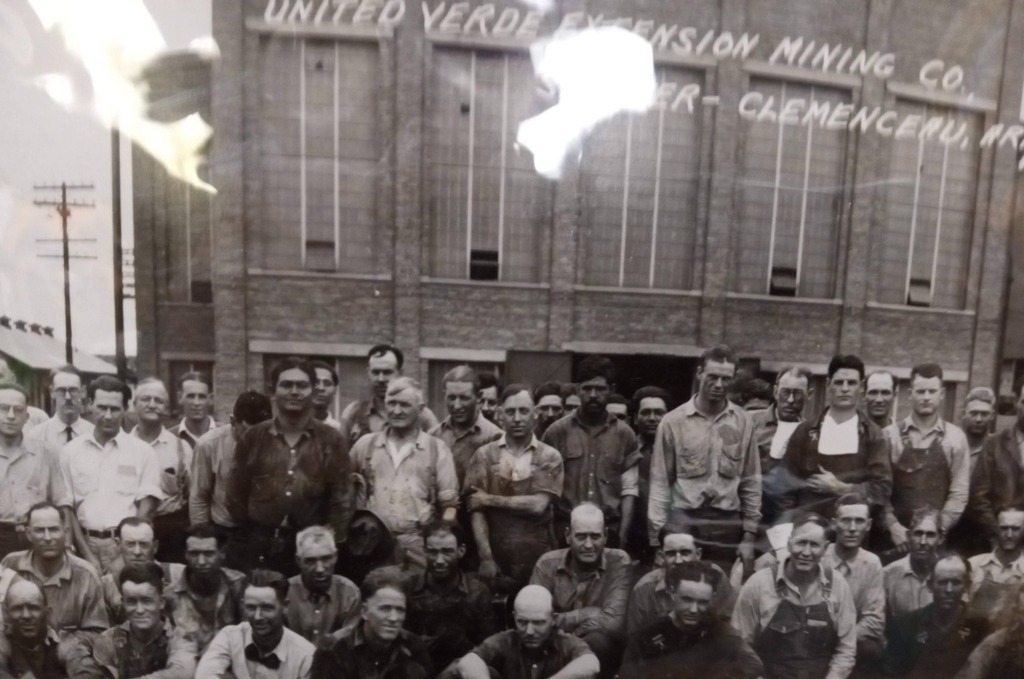
UVX Admin., Smelter, and Mine Workers pose for a photo together. Clemenceau Heritage Museum Archives.
In 1930, the Great Depression closed the mines of the Verde Valley, except for Clark's who had enough money to keep going. Many miners and smelter workers became unemployed. Miners and smelter workers learned skills, especially working with rock, that would benefit them later on. Local men were hired through federal public works projects. Stone and mortar public buildings and walls were constructed in at least Cottonwood and Jerome, and maybe even other places.
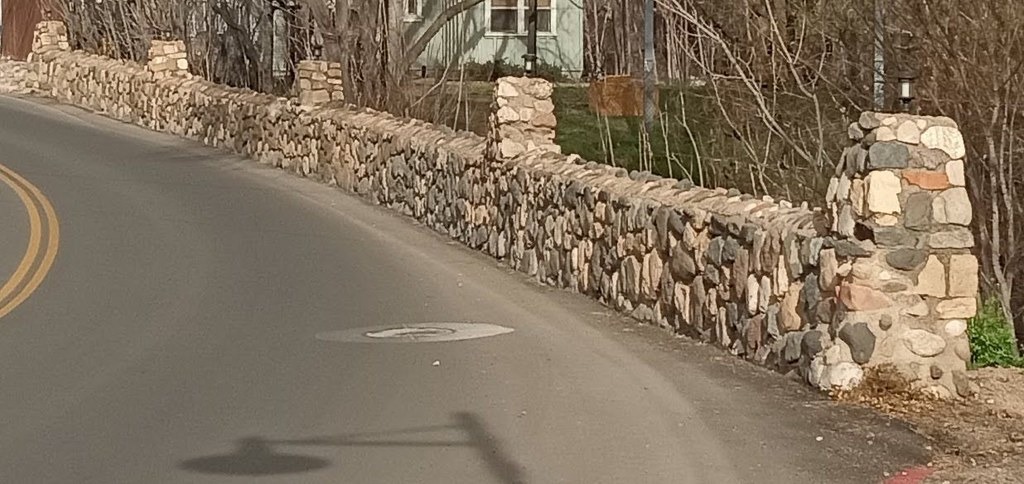
Stone and Mortar Wall. Old Town Cottonwood.
There were multiple government programs that benefited Cottonwood and other areas during the Depression.
In 1933, the CCC was involved in multiple local projects, including building campgrounds and constructing buildings. My grandpa Bob Holmes worked as a chef in the CCC all over Arizona and even in Colorado at Estes Park, Rocky Mountain National Park. Later he became a skilled electrician who wired places like Bartlett Dam, South Mountain towers, and other spots in and around AZ.
In 1934 local unemployed miners and smelter workers, with the help of the NYA (National Youth Association), excavated and reconstructed Tuzigoot.
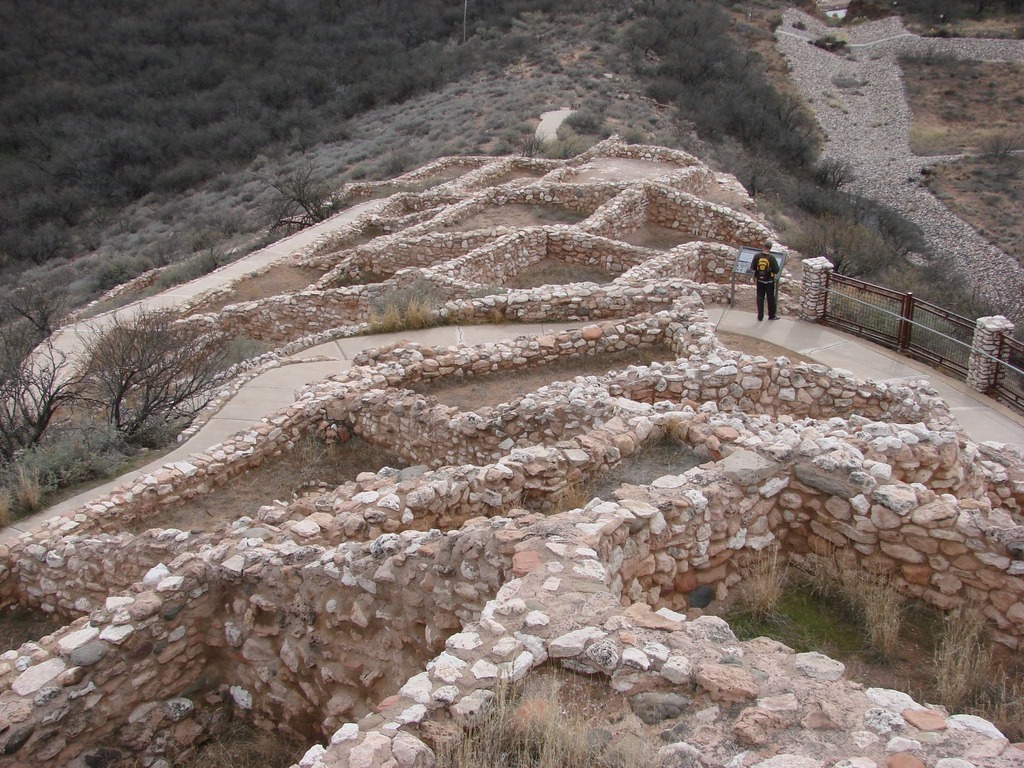
Tuzigoot Reconstructed in 1934.
In 1935 the WPA (Works Progress Admin.) was responsible for local projects like the Del Monte Wash bridge at the south end of Main Street and walls along the road into Jerome.
In 1939 funds were raised for the construction of the Cottonwood Community Civic Club building. It still stands as a monument to the work programs and workers of that period.
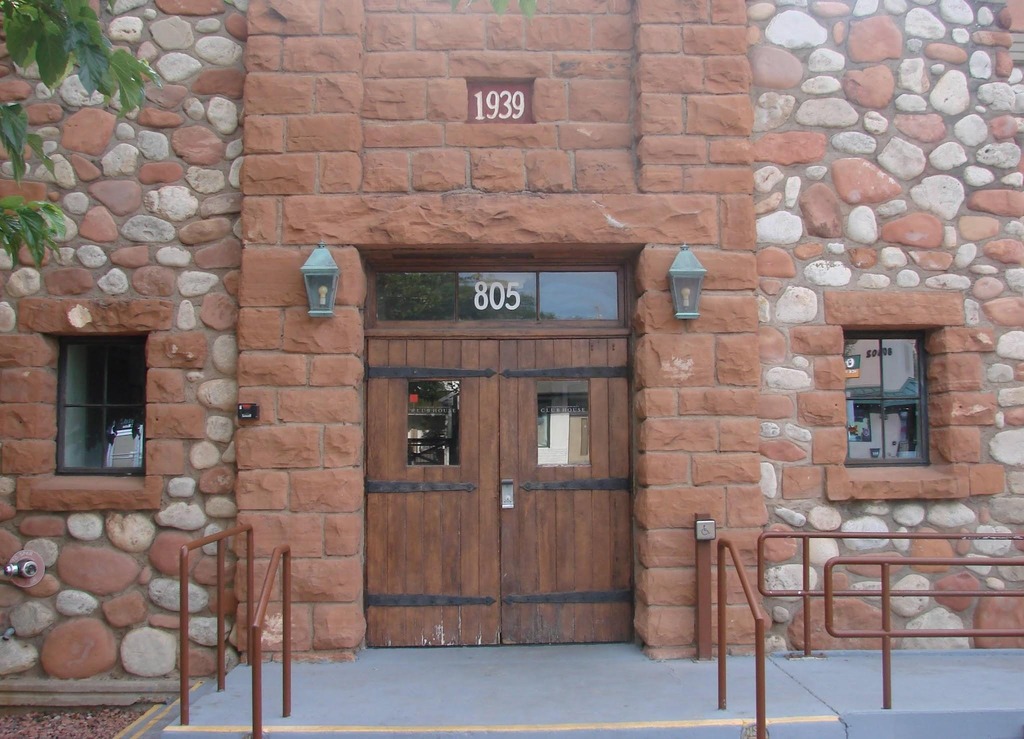
Cottonwood Community Civic Club built in 1939. Photo taken in 2026.
It's very likely that the same men who worked in the mining industry together also worked on local public works projects together. Unfortunately the names of these men are not usually recorded, only those in charge. The descendants of some of these men still live in the area. Local crews carry on the spirit of these-hard working men. They can be seen working for power companies, local governments, the state (like ADOT), and private construction, building housing and infrastructure.
Old Town Cottonwood is the place to see many old (and new) stone and mortar buildings and walls. Many walls line the streets of Old Town, some old and some new. The Cottonwood Community Civic Club building is perhaps the best example of stoneworks in the Upper Verde Valley.
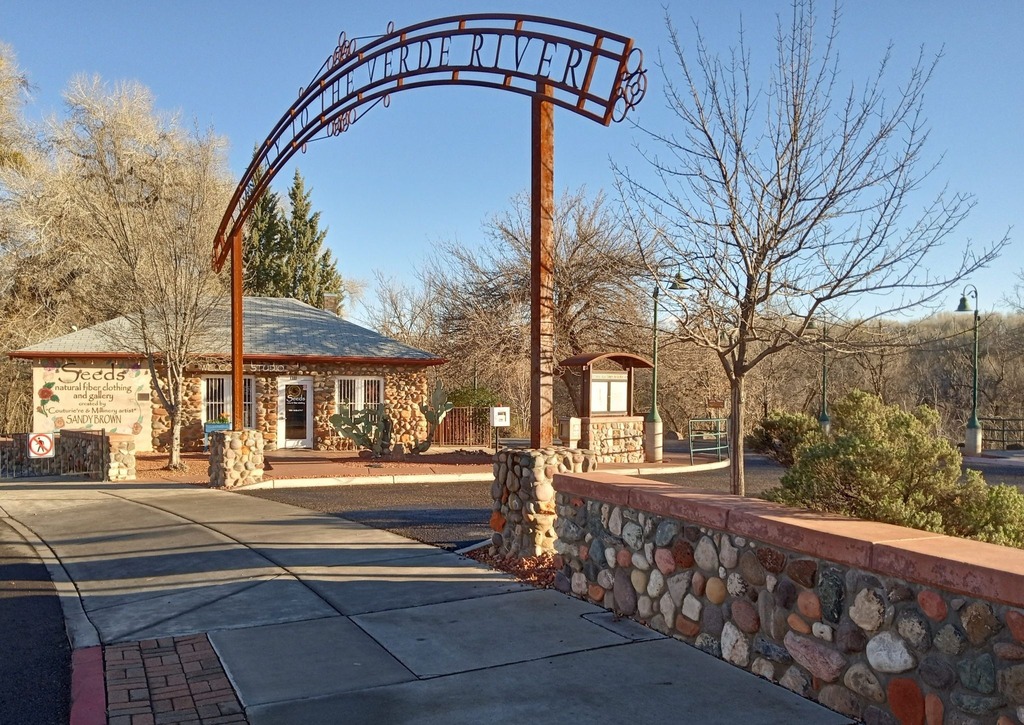
A mixture of old and new in Old Town Cottonwood.
These important historical structures connect people with the layers of history here in the Verde Valley. They connect the past with the present. A past that needs to be preserved and protected.
About the Author
Matthew Holmes is a sixth-generation Arizona native, born and raised in Phoenix and directly descended from the pioneering Hawkins family of the early Verde Valley. For the past twenty-five years, Matthew has made the Verde Valley his home, where he works as a local genealogist, historian, and photographer dedicated to preserving the stories of Arizona’s earliest settlers. He holds two degrees from Northern Arizona University—a bachelor’s degree in history and a master’s degree in sustainability—giving him a unique perspective on how the past shapes the future of the region. Matthew is also a proud volunteer at the Clemenceau Heritage Museum, where he contributes to ongoing efforts to safeguard the cultural heritage of the Verde Valley for generations to come.